
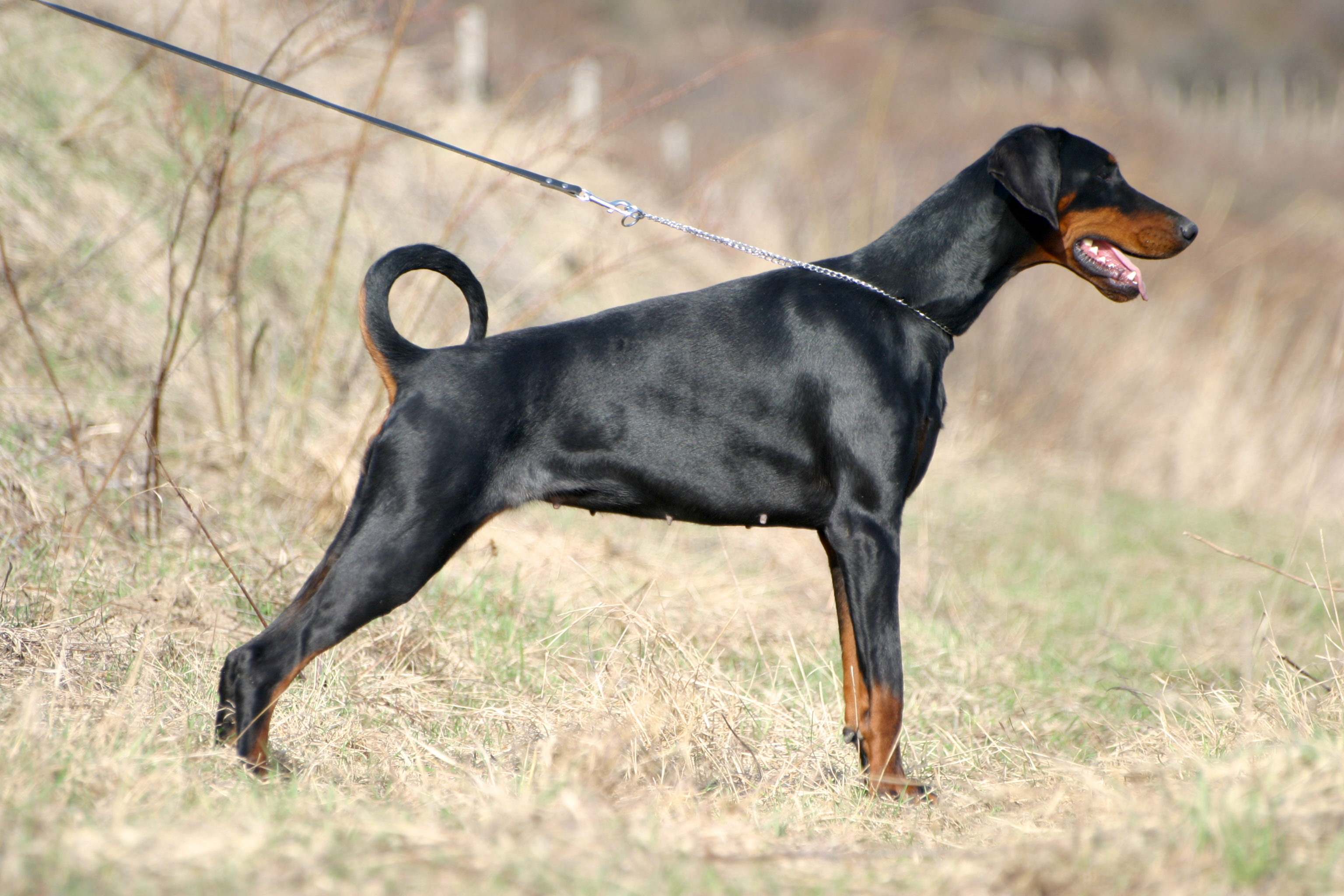
Breed overview
Doberman Pinscher
Created in 1890s Germany by a tax collector named Karl Dobermann who wanted a fearless protector on his rounds, the Doberman became one of the finest guardian breeds ever refined. Sleek, fast and sharply intelligent, they bond intensely with their family and can be surprisingly affectionate at home. This large, athletic dog needs 60 to 90 minutes of daily exercise, early training and real companionship, as they dislike being isolated. A house with a yard suits them, and their short coat is easy to maintain in Indian conditions though they feel the cold. They live 10 to 13 years and typically cost ₹10,000 to ₹50,000.
- Origin
- Germany 🇩🇪
- Size
- Large Breed
- Lifespan
- 10 - 13 years
- Buying price
- ₹10,000 - ₹50,000
- Ideal space
- House with backyard
- Weather
- 15 - 24°C
- Coat type
- Short to Medium Coat
Core Behavioral Traits of the Doberman Pinscher
Nutrition
Meal guidance, safe foods, and macro balance.
Nutritional Guide for Doberman Pinscher
Dobermans are lean, athletic dogs with a known predisposition to heart disease, so a complete, balanced diet that supports healthy taurine levels matters more than for most breeds. Active adults need close to 2000 calories from quality protein and healthy fats to hold muscle. Bloat risk means two measured meals and calm rest after eating. Avoid boutique, grain free fads without veterinary guidance given cardiac concerns. Plan for roughly ₹3,000 to ₹4,500 monthly on a proven, complete food.
At a glance
- Monthly food cost
- ₹3,000 - ₹4,500
- Calories per day
- 2200 / 2000 kcal
Recommended foods
- Cooked deboned chicken providing lean, complete animal protein essential for the Doberman Pinscher's muscle repair, coat health, and high daily energy levels.
- Veterinarian-approved home-cooked meals with balanced protein, carbohydrates, and fats providing a wholesome, additive-free alternative for the Doberman Pinscher's daily nutritional needs.
- Premium quality dry kibble formulated for large breed breeds, delivering balanced macro-nutrients and supporting dental health through mechanical chewing.
- Cooked dog-safe vegetables such as carrots, sweet potatoes, and green beans supplying essential fiber, minerals, and vitamins to support the Doberman Pinscher's digestive health.
- Lean fresh meats including turkey, beef, or lamb delivering complete amino acid profiles to sustain the Doberman Pinscher's active musculature and metabolic needs.
Essential nutrients
- Complex low-glycemic carbohydrates providing sustained energy release for the Doberman Pinscher's daily activity demands
- High-quality animal protein from chicken, fish, and meat to fuel the Doberman Pinscher's high-energy lifestyle and support lean muscle repair
- Omega-3 and Omega-6 essential fatty acids to maintain the Doberman Pinscher's coat condition, joint lubrication, and cardiovascular health
- Calcium, phosphorus, and trace minerals to sustain the Doberman Pinscher's bone density, dental health, and enzymatic function
- Prebiotic dietary fiber to regulate the Doberman Pinscher's bowel transit and support efficient nutrient absorption throughout the digestive system
- Prebiotic dietary fiber to regulate the Doberman Pinscher's bowel transit and support efficient nutrient absorption throughout the digestive system
Macro breakdown
- Carbohydrates45%
Complex carbohydrates from grains and vegetables provide sustained energy release and digestive fiber for the Doberman Pinscher's active lifestyle.
- Protein25%
High-quality animal proteins from chicken, fish, and meat support lean muscle mass and sustain the Doberman Pinscher's high daily energy demands.
- Fats15%
Essential Omega-3 and Omega-6 fatty acids from fish oil maintain the Doberman Pinscher's coat condition, joint lubrication, and cardiovascular function.
- Minerals5%
Calcium, phosphorus, and trace minerals maintain the Doberman Pinscher's bone density, dental health, and enzymatic function.
- Fibre5%
Prebiotic dietary fiber promotes smooth intestinal transit and efficient nutrient absorption in the Doberman Pinscher.
- Fibre5%
Prebiotic dietary fiber promotes smooth intestinal transit and efficient nutrient absorption in the Doberman Pinscher.
Foods to avoid
- Almonds: Almonds is harmful to the Doberman Pinscher's metabolic system and must be strictly excluded from its diet to prevent toxicity reactions.
- Dairy: Most adult Doberman Pinschers lack sufficient lactase enzymes, making dairy products a cause of painful bloating, loose stools, and chronic gastrointestinal distress.
- Mushrooms: Wild mushrooms may contain amatoxins that cause severe liver and kidney failure in the Doberman Pinscher, with symptoms that can appear 6 to 24 hours after ingestion.
- Onions: Onions and related alliums contain thiosulfate that destroys the Doberman Pinscher's red blood cells, inducing hemolytic anemia, weakness, and collapse.
- Salt: Excessive sodium intake in the Doberman Pinscher causes hypernatremia, resulting in intense thirst, neurological damage, and in severe cases, fatal brain swelling.
- Garlic: Garlic contains concentrated thiosulfate compounds that are five times more toxic than onions to the Doberman Pinscher, causing progressive red blood cell destruction.
Prohibited ingredients
- BHA and BHT synthetic preservatives place unnecessary oxidative stress on the Doberman Pinscher's liver and kidney tissues, accumulating over time and disrupting hormonal balance.
- Artificial colorants and synthetic dye agents like Red 40 and Yellow 5 offer zero nutritional value while triggering dermal sensitivities and intestinal allergic reactions in the Doberman Pinscher.
- Xylitol and artificial sweetener compounds cause immediate dangerous insulin surges in the Doberman Pinscher, leading to acute hypoglycemia and irreversible liver cell destruction.
- Excessive sodium and synthetic flavor enhancers in processed pet food spike blood pressure levels in the Doberman Pinscher and accelerate the progression of chronic kidney disease.
- Low-quality corn, soy, and wheat gluten fillers trigger systemic inflammatory responses in the Doberman Pinscher, manifesting as persistent itchy skin rashes and compromised immune function.
Feeding guidelines
- Choose a well established, complete diet and discuss any grain free choice with your vet given heart risk.
- Split the daily ration into two meals and allow rest afterward to reduce bloat.
- Feed quality protein to sustain the breed's lean, muscular athletic build.
- Keep meals consistent and monitor energy, since heart and thyroid issues can affect appetite and weight.
Recommended brands
Health and wellness
Common issues, vaccinations, and daily care.
Healthcare and Preventative Guide for Doberman Pinscher
Dobermans are sleek, high-energy dogs needing 60 to 90 minutes of daily exercise and mental work. Their short coat suits warm weather, but activity should still fall in cooler hours. This breed carries a notable risk of dilated cardiomyopathy, a serious heart condition, along with hypothyroidism, gastric dilatation volvulus, the bleeding disorder von Willebrand disease, and hip dysplasia, so regular cardiac and blood screening is important. Keep them lean, engaged, and closely bonded with their family. Early attention to symptoms saves lives. Monthly care usually costs ₹1,200 to ₹1,950.
At a glance
- Energy level
- High
- Monthly cost
- ₹1,200 - ₹1,950
- Exercise
- 60 - 90 min/day
Hereditary and Common Health Conditions in Doberman Pinscher
Monitor breed-specific hereditary and common conditions with regular veterinary screening.
- Hypothyroidism: It is a condition where the thyroid glands are not active. Some of the symptoms include weight gain, ear/skin infection, lethargy, increased blood cholesterol levels. It can be detected through blood tests and can be treated by administering thyroid hormone replacement medicines.
- Dilated Cardiomyopathy (DCM): This is due to the degenerative heart muscle that causes the left ventricle to thin and pump weakly. The symptoms are sometimes gradually developed or sudden. The symptoms include restlessness, collapse, weakness, rapid breathing and sudden death. This can be detected via stethoscope, X-ray, ultrasound of heart. This is a serious condition and needs immediate medical intervention.
- Gastric Dilatation-Volvulus (GDV): This causes a severe form of bloating in dogs and needs immediate vet intervention. The stomach is filled with gas or food and here the stomach can twist and in turn the blood supply for spleen and stomach is blocked. A prophylactic gastropexy can be performed to avoid while the dog is being spayed or neutered.
- Von Willebrand Disease: Von Willebrand Disease(vWD) is a genetic blood disease that is seen more in Doberman dogs than other breeds. This causes deficiency in a protein called ‘Von Willebrand’ factor, that may cause difficulty in clotting, bleeding in nose, vulva, bladder or gums. It becomes difficult for dogs that have lost blood in surgery or trauma. So the veterinarians recommend a vWD test before performing any surgeries.
- Hip Dysplasia: This is a genetic bone disorder that causes bone weakness, and joint pains. This is also influenced by hormones, lineage, exercise and age. This may lead to arthritis and osteoarthritis. It can be detected using X-ray of the hips. This can be treated by acupuncture, or laser therapy or by surgery.
- Important Note: This document is intended solely for general guidance purposes. For personal recommendations, please consult a qualified veterinarian. Read Less
Recommended activities
- Brisk cool-hour running suits their athletic build.
- Obedience and protection training engages their sharp mind.
- Fetch and flirt-pole games offer a strong energy release.
- Agility work builds fitness and focus together.
- Interactive puzzles keep this thinker mentally satisfied.
Signs of stress
- Coughing, fainting, or tiring quickly, warning signs of heart disease.
- A distended abdomen with retching, a GDV emergency.
- Prolonged bleeding from small wounds, linked to von Willebrand disease.
- Lethargy, weight gain, or coat changes suggesting hypothyroidism.
- Anxiety or clinginess when separated from their attached family.
Vaccination schedule
| Growth stage | Vaccines |
|---|---|
| Age 6 - 8 weeks | DHPP (distemper, hepatitis, parainfluenza, parvovirus) and Bordetella to establish protective immunity for the Doberman Pinscher |
| Age 9-11 weeks | DHPP and Bordetella to establish protective immunity for the Doberman Pinscher |
| Age 12-14 weeks | DHPP, Leptospirosis, and Rabies to establish protective immunity for the Doberman Pinscher |
| Age 16 - 18 weeks | DHPP, Rabies, and Bordetella to establish protective immunity for the Doberman Pinscher |
| Age 20 - 22 weeks | DHPP and Rabies to establish protective immunity for the Doberman Pinscher |
General care tips
- Schedule regular heart screening to catch cardiomyopathy early.
- Feed smaller meals and rest after eating to reduce bloat risk.
- Mention the bleeding-disorder risk to your vet before any surgery.
- Keep them lean and exercised to protect joints and heart.
- Provide warmth in cold spells since the short coat offers little insulation.
Senior care
- Increase cardiac checkups as heart risk rises with age.
- Shift to gentle, steady exercise to protect joints.
- Feed a senior diet and monitor weight closely.
- Keep them close to family for comfort and security.
Grooming
Coat care, hygiene, and shedding notes.
Keeping Doberman Pinscher tidy
Doberman Pinschers have a sleek, short to medium coat that sheds moderately but is one of the easiest to maintain among large breeds. Their thin coat offers minimal insulation, so they feel temperature extremes keenly in India's hot summers and cool winters. Grooming focuses on skin health and shine rather than detangling. A quick weekly routine keeps this breed looking polished and show-ready. Monthly costs stay accessible at ₹700 to ₹1,200 for basic maintenance.
At a glance
- Shedding level
- Moderate Shedding
- Monthly cost
- ₹700 - ₹1,200
Hygiene checklist
- A quick weekly brush with a soft curry brush keeps the Doberman Pinscher's short to medium coat tidy and stops dust from hanging on after park time.
- For the Doberman Pinscher, a bath every month or so is usually enough unless rainy weather or outdoor play makes the coat grimy.
- Check the ears weekly, especially if the Doberman Pinscher spends time in grass, dust, or damp monsoon weather. A quick paw and belly check after active play also helps catch mud or ticks early.
- Keep the nails short on the Doberman Pinscher; it saves the furniture and keeps the gait smoother on slippery floors. Bigger dogs put more pressure on their nails, so letting them grow too long shows up fast.
- A few minutes of tooth brushing each week keeps the Doberman Pinscher's mouth fresher and the vet visits less dramatic.
Grooming benefits
- Reduces the amount of fur that ends up across the sofa and car seats.
- Lets the Doberman Pinscher stay comfortable even when the weather gets sticky or dusty.
- Helps you keep an eye on nails, ears, and paws without making the routine complicated.
- Makes home grooming feel quick enough that it actually gets done on time.
- Gives the coat a fresher look with only a small amount of effort.
Adopt and shop
Buying guidance, adoption guidance, and monthly costs.
Before You Bring Home a Doberman Pinscher
A Doberman Pinscher can be a wonderful fit when the home is ready for its size, coat and energy level. This breed tends to do best where there is enough room, enough time for exercise and a clear plan for feeding, training and vet care. With a price range of ?10,000 to ?50,000, the real question is not just what the dog costs today, but whether the household can support it well for 10 to 13 years.
At a glance
- Market price
- ₹10,000 - ₹50,000
General overview
- Make sure the upfront cost of ?10,000 to ?50,000 sits comfortably inside your budget before you move ahead.
- Check that your home and routine can support a large breed dog that suits a house with backyard more naturally than a rushed setup.
- Keep the short to medium coat in mind, because coat care and climate comfort are part of the long-term picture.
- Ask yourself whether you are ready for a dog whose temperament will need structure and patient handling over a life of about 10 to 13 years.
Buying guidelines
- Ask for clear pedigree, age and lineage details so you know exactly what you are paying for in a Doberman Pinscher.
- Review vaccination, deworming and health records before you agree to the handover, not after.
- Visit the breeder or seller in person so you can see how the puppy is housed, handled and socialized.
- Make sure the puppy has been checked for common breed concerns and is ready to move into house with backyard living.
- If possible, get written support on health and early care so the first few weeks feel more manageable, especially for a short to medium coat and a temperament that leans active.
Adoption guidelines
- Check rescue groups and shelters first, because a good match can come from adoption rather than purchase.
- Ask for any medical notes, behaviour history and recent vet information so you understand the dog before bringing it home.
- Spend time with the dog in person if possible, because temperament and handling are easier to judge face to face than on paper.
- Prepare a calm first-week setup with food, water, bedding and a quiet corner, especially if the dog is adjusting to a new house with backyard environment.
- A short to medium coat and a personality that tends toward routine and companionship both benefit from a slow, patient start and a vet check soon after adoption.
Monthly expense summary
- Monthly care₹4,900 - ₹7,650
- Food₹3,000 - ₹4,500
- Grooming₹700 - ₹1,200
- Health₹1,200 - ₹1,950
Frequently asked questions
Common questions about the Doberman Pinscher.
What are the common health issues in the Doberman Pinscher?
The Doberman Pinscher can be prone to conditions such as Hypothyroidism, Dilated Cardiomyopathy (DCM), and Gastric Dilatation-Volvulus (GDV). Not every dog will develop these, but routine veterinary checkups, a balanced diet, and a healthy weight go a long way in early detection and prevention.
How much activity does the Doberman Pinscher need?
Plan for about 60 to 90 minutes of activity each day for the Doberman Pinscher. This is an energetic breed, so a mix of walks, active play, and mental challenges works best to prevent boredom and restlessness.
Is the Doberman Pinscher suited to the Indian climate?
The Doberman Pinscher adapts reasonably well to most parts of India, being most comfortable around 15 to 24 degrees Celsius. Even so, provide shade and fresh water through the hottest months and avoid activity during the hottest part of the day. Basic heat precautions keep this dog healthy across Indian conditions.
What is the price of a Doberman Pinscher in India?
A Doberman Pinscher puppy in India typically costs ₹10,000 to ₹50,000, depending on lineage, breeder reputation, and city. Always choose an ethical breeder who shares health and vaccination records, and consider adoption as a rewarding alternative.
Does the Doberman Pinscher need a house with a yard?
The Doberman Pinscher is happiest with more room to move and ideally suits a house with a backyard. Access to a secure outdoor space helps it burn off energy, though committed daily exercise can still make apartment life workable for this dog.
Does the Doberman Pinscher shed a lot?
The Doberman Pinscher has a shedding level described as moderate shedding. Regular brushing helps control loose hair around the home and keeps the short to medium coat in good condition.
Is the Doberman Pinscher easy to train?
The Doberman Pinscher tends to be quick to learn thanks to its intelligent nature. Short, consistent sessions with positive reinforcement bring the best results, and early socialisation helps this dog grow into a well mannered companion.
What is the temperament of the Doberman Pinscher?
The Doberman Pinscher is known for being Energetic, Fearless, Intelligent, and Loyal. With a high energy level, this dog does best when its social and mental needs are met through regular interaction and enrichment. They are best suited to a house with a backyard and settle in well when their daily routine is consistent.