Breed overview
Abyssinian
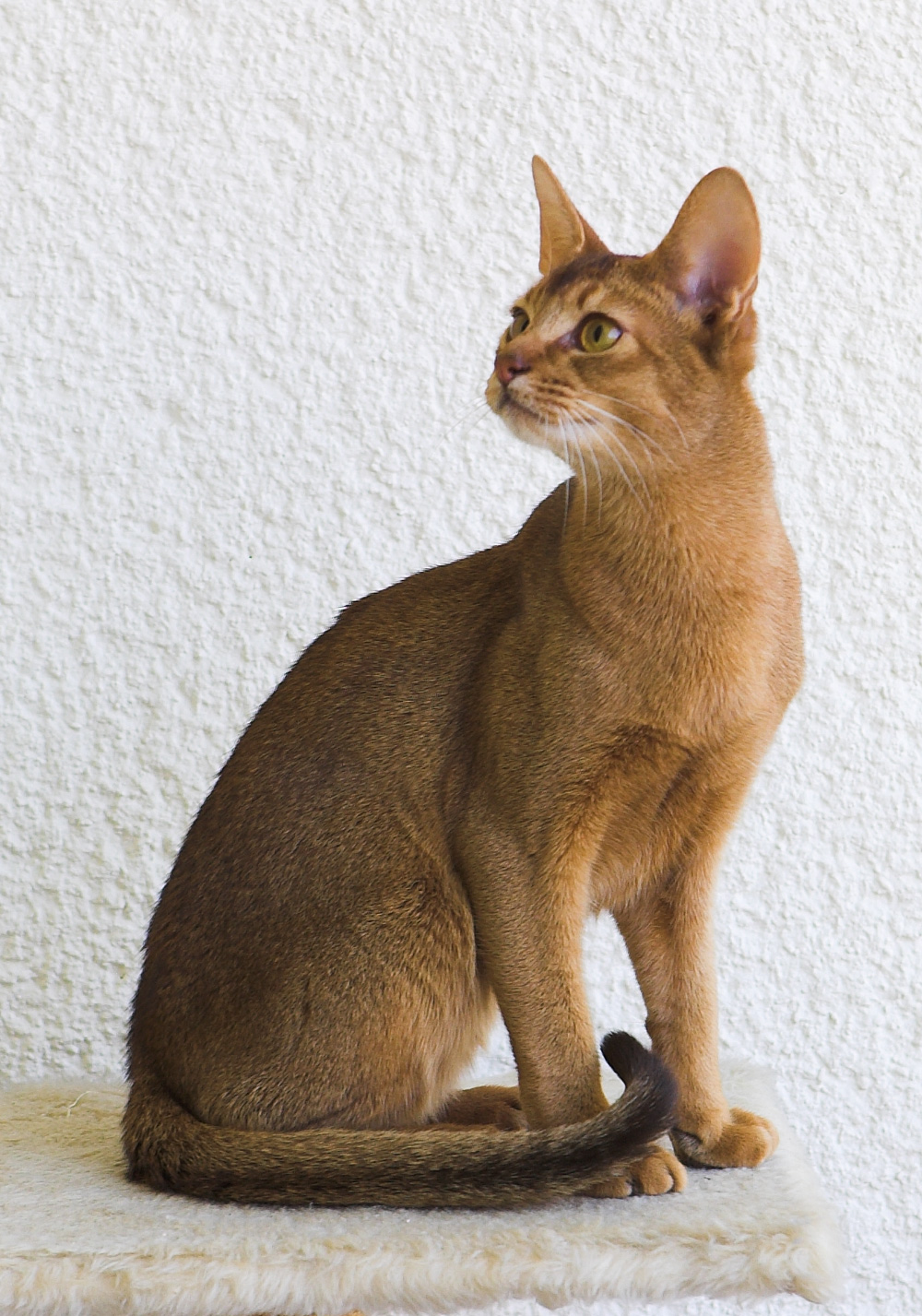
Lithe, ticked, and always in motion, the Abyssinian looks like it stepped off an ancient mural, with a warm ruddy coat where each hair is banded in several colours. This is a cat that supervises everything, perching on the highest shelf, opening cupboards, and inspecting every new arrival with bright, questioning eyes. It bonds warmly with its family but keeps an independent streak, so it entertains itself well between play sessions. Hardy and heat-tolerant, it manages Indian apartments comfortably across 18 to 30 degrees, and its short coat sheds only moderately. Reasonably priced at ₹15,000 to ₹50,000, the Abyssinian typically shares 12 to 15 years with you.
- Origin
- Ethiopia 🇪🇹
- Size
- Medium Breed
- Lifespan
- 12 - 15 years
- Buying price
- ₹15,000 - ₹50,000
- Ideal space
- Apartment
- Weather
- 18 - 30°C
- Coat type
- Short, Dense Coat
Top traits
Nutrition
Meal guidance, safe foods, and macro balance.
Nutritional Guide for Abyssinian
Lively and forever exploring, the Abyssinian carries a healthy appetite and does well on around 350 calories a day to match its busy nature. Anchor meals in real animal protein to power that activity, and weave in moisture-rich wet food to look after kidneys that can face amyloidosis. Regular drinking matters in India's heat. Textured food and dental care help hold off the gum disease this breed tends toward. A complete, balanced recipe covers the rest. Feeding usually runs ₹1,500 to ₹2,000 monthly.
At a glance
- Monthly food cost
- ₹1,500 - ₹2,000
- Calories per day
- 300 / 350 kcal
Recommended foods
- Dry Kibble
- Wet Food
- Cooked Chicken
- Cooked Turkey
- Cooked Lamb
Essential nutrients
- High-grade animal protein (chicken, turkey, fish) to fuel the Abyssinian's moderate daily activity and muscle repair cycles
- Taurine amino acid to prevent dilated cardiomyopathy and preserve retinal integrity in the Abyssinian
- Omega-3 and Omega-6 essential fatty acids to maintain the Abyssinian's short-coated coat and skin barrier and support anti-inflammatory pathways
- Calcium and phosphorus minerals to sustain strong bone density and joint integrity throughout the Abyssinian's active life stages
- Prebiotic dietary fiber to regulate bowel transit and support efficient nutrient absorption in the Abyssinian's digestive system
Macro breakdown
- Protein45%
High-quality animal proteins from chicken, turkey, and fish support lean muscle mass and sustain the Abyssinian's moderate daily metabolic energy demands.
- Fats35%
Essential Omega-3 and Omega-6 fatty acids from fish oil maintain skin elasticity, coat condition, and cardiovascular function specific to the Abyssinian's physiology.
- Carbohydrates15%
Low-glycemic, easily digestible carbohydrates provide sustained energy release without overloading the Abyssinian's sensitive digestive system or triggering blood sugar spikes.
- Fiber5%
Prebiotic dietary fiber promotes smooth intestinal transit, regular bowel health, and efficient nutrient absorption critical for the Abyssinian's gut integrity.
Foods to avoid
- Chocolate & Caffeine
- Avoid Foods That
- Foods With High
- Be Very Careful
Prohibited ingredients
- Onions and Garlic: a prohibited substance that poses toxicity risk and digestive harm to the Abyssinian's sensitive physiology
- Caffeine: a prohibited substance that poses toxicity risk and digestive harm to the Abyssinian's sensitive physiology
- Chocolate: a prohibited substance that poses toxicity risk and digestive harm to the Abyssinian's sensitive physiology
- Alcohol: a prohibited substance that poses toxicity risk and digestive harm to the Abyssinian's sensitive physiology
- Bones: a prohibited substance that poses toxicity risk and digestive harm to the Abyssinian's sensitive physiology
Feeding guidelines
- Feed roughly 350 calories daily to keep pace with this energetic breed.
- Base meals on animal protein to fuel constant activity and lean muscle.
- Add wet food to support kidney health and encourage hydration.
- Use dental-friendly textures to reduce tartar and gum trouble.
Recommended brands
Health and wellness
Common issues, vaccinations, and daily care.
Healthcare and Preventative Guide for Abyssinian
The Abyssinian is a curious, athletic cat that loves climbing and exploring. They need 30 to 60 minutes of engaging daily activity and adapt well to Indian temperatures between 18 to 30C. Their documented health issues include periodontal disease, renal amyloidosis, and Progressive Retinal Atrophy (PRA). Monthly health expenses run 500 to 700 INR. Regular dental checkups and kidney screenings are crucial. Their short, dense coat is low-maintenance but benefits from weekly brushing to maintain its distinctive ticked appearance.
At a glance
- Energy level
- Medium
- Monthly cost
- ₹500 - ₹700
- Exercise
- 30 - 60 min/day
Common health issues
- Periodontal disease: Regular dental care is essential. Brushing and dental treats will help to prevent plaque and gum infection.
- Renal amyloidosis: A genetic disorder that can affect the kidneys. Blood and urine tests are an effective way to detect early signs.
- Progressive Retinal Atrophy (PRA): Blindness due to genetic eye disease. It cannot be cured, but symptoms may be managed with regular eye exams.
Recommended activities
- Install tall cat trees and wall shelves to satisfy their strong climbing instinct.
- Use feather wand toys that mimic bird movements for energetic hunting sessions.
- Offer treat-dispensing puzzle toys that challenge their sharp intellect daily.
- Create obstacle courses with tunnels and hoops to keep play varied and stimulating.
- Engage in short fetch sessions with lightweight toys to channel their curiosity.
Signs of stress
- Pacing or restlessness may indicate insufficient mental or physical stimulation.
- Bad breath or reluctance to eat hard food suggests advancing periodontal disease.
- Increased water intake or frequent urination could signal early kidney changes.
- Night-time disorientation or bumping into objects may indicate PRA progression.
- Over-grooming patches on their belly or legs signals anxiety or skin irritation.
Vaccination schedule
| Growth stage | Vaccines |
|---|---|
| Age 8 Weeks | FVRCP (Feline Rhinotracheitis, Calicivirus, Panleukopenia) to build protective immunity for the Abyssinian |
| Age 12 Weeks | FVRCP booster to build protective immunity for the Abyssinian |
| Age 16 Weeks | Rabies to build protective immunity for the Abyssinian |
| Age 18-20 Weeks | FVRCP booster & Rabies to build protective immunity for the Abyssinian |
| Age Anually | Rabies booster to build protective immunity for the Abyssinian |
General care tips
- Schedule dental exams every six months as periodontal disease is a primary concern.
- Provide vertical space with shelves and perches since Abyssinians crave height.
- Test kidney values annually starting from age 5 to catch renal amyloidosis early.
- Offer high-quality protein-rich food to support their active metabolism.
- Keep play sessions varied and challenging to prevent boredom in this intelligent breed.
Senior care
- Increase kidney and eye screenings to twice yearly after age 9.
- Provide lower climbing options and ramps as joint flexibility decreases.
- Watch for weight loss or changes in coat quality which may signal renal decline.
- Maintain interactive play at a gentler pace to keep their mind sharp without strain.
Grooming
Coat care, hygiene, and shedding notes.
Managing the Abyssinian's Coat
For the Abyssinian, the coat is not difficult, but it does need a steady hand when humidity starts to build. Its middle-of-the-road size keeps the routine manageable as long as you stay consistent. A calm, steady routine is usually enough to keep things under control. Most homes end up spending about INR 800 to INR 1,500 each month to keep the routine on track.
At a glance
- Shedding level
- Moderate Shedding
- Monthly cost
- ₹800 - ₹1,500
Hygiene checklist
- Brush the Abyssinian once or twice a week with a slicker brush or grooming mitt to lift loose fur before it spreads around the house.
- Give a little extra attention during shedding season, because dense coats make the change in fur much more obvious.
- After humid days, check the chest, belly, and underarms so trapped moisture does not turn into a problem.
- Keep the ears clean and dry, especially if the cat spends time in warm rooms or near open windows.
- Finish with nail trimming and dental care so the routine covers more than just the coat.
Grooming benefits
- Keeps the Abyssinian's thicker coat from collecting too much loose fur.
- Makes shedding season easier to manage inside the house.
- Helps the coat stay airy enough to handle Indian heat and humidity.
- Gives you a chance to spot skin irritation or mats before they become annoying.
- Keeps the cat comfortable without needing constant salon visits.
Adopt and shop
Buying guidance, adoption guidance, and monthly costs.
Thinking about a Abyssinian?
The Abyssinian is a practical choice in many homes, but it still deserves proper planning before purchase. The size is easy enough to live with, provided the basics are not ignored. A balanced routine usually works well for a cat with this kind of energy level. Short-haired cats are usually practical, but practical still means regular care. Purchase costs usually range from INR 15,000 to INR 50,000, depending on lineage, breeder reputation, and city.
At a glance
- Market price
- ₹15,000 - ₹50,000
General overview
- The first thing to settle is the budget, since the Abyssinian sits in the INR 15,000 to INR 50,000 range and the ongoing costs matter too.
- A steady routine matters more than a perfect one, because this breed settles best when life feels predictable.
- The Abyssinian's coat is not difficult, but it still benefits from a little consistency and attention.
- Its medium build makes home planning fairly straightforward if the essentials are in place.
- It also helps to have a vet relationship ready early, especially because the Abyssinian may need breed-aware advice as it settles in.
Buying guidelines
- Ask for pedigree papers and lineage details so you know exactly where the Abyssinian comes from.
- The health paperwork matters just as much as the breed name, so look for vaccinations, deworming, and vet notes.
- Seeing the place yourself helps you judge socialization, cleanliness, and general care standards.
- Confirm the kitten has been microchipped, dewormed, and checked for common parasites before it goes home.
- It is worth asking for a written health guarantee so you know what support exists after the cat leaves the breeder.
Adoption guidelines
- For adoption, the cat's history matters just as much as its looks, so ask questions and read the records carefully.
- Choose a cat whose energy level fits your house, because a high-energy breed needs more interaction than a quiet one. A calmer breed usually adapts more smoothly when the home stays predictable.
- A calm transition space helps the Abyssinian settle in without feeling pushed into the whole house at once.
- It is wise to book a vet visit early, even if the cat looks fine, so you know what you are starting with.
- Keep the adoption calm and practical: food, litter, scratching options, and patience matter more than a big welcome. The breed settles best when the new routine feels steady rather than rushed.
Monthly expense summary
- Monthly care₹2,800 - ₹4,200
- Food₹1,500 - ₹2,000
- Grooming₹800 - ₹1,500
- Health₹500 - ₹700
Frequently asked questions
Common questions about the Abyssinian.
What are the common health issues in the Abyssinian?
The Abyssinian can be prone to conditions such as Periodontal disease, Renal amyloidosis, and Progressive Retinal Atrophy (PRA). Not every cat will develop these, but routine veterinary checkups, a balanced diet, and a healthy weight go a long way in early detection and prevention.
Can I keep a Abyssinian in an apartment?
Yes, the Abyssinian is well suited to apartment living. It stays content indoors as long as it gets its daily activity and mental stimulation. Set aside a quiet resting spot and keep to a predictable routine so this cat feels secure in a smaller space.
Is the Abyssinian suited to the Indian climate?
The Abyssinian adapts reasonably well to most parts of India, being most comfortable around 18 to 30 degrees Celsius. Even so, provide shade and fresh water through the hottest months and avoid activity during the hottest part of the day. Basic heat precautions keep this cat healthy across Indian conditions.
What is the price of a Abyssinian in India?
A Abyssinian kitten in India typically costs ₹15,000 to ₹50,000, depending on lineage, breeder reputation, and city. Always choose an ethical breeder who shares health and vaccination records, and consider adoption as a rewarding alternative.
Does the Abyssinian shed a lot?
The Abyssinian has a shedding level described as moderate shedding. Regular brushing helps control loose hair around the home and keeps the short, dense coat in good condition.
What is the temperament of the Abyssinian?
The Abyssinian is known for being Playful, Curious, Friendly, and Independent. With a medium energy level, this cat does best when its social and mental needs are met through regular interaction and enrichment. They are best suited to an apartment and settle in well when their daily routine is consistent.
How much activity does the Abyssinian need?
Plan for about 30 to 60 minutes of activity each day for the Abyssinian. A few short play sessions and some climbing space keep this cat fit without overdoing it.